In 2026, over 78% of design teams worldwide are using AI tools to speed up workflows, boost creativity, and deliver better user experiences. The rise of AI tools for UI/UX design is not just about saving time—it’s about creating more accessible UX, more emotional UI, and more personalized products. From research to prototyping, AI is now a core partner for designers.
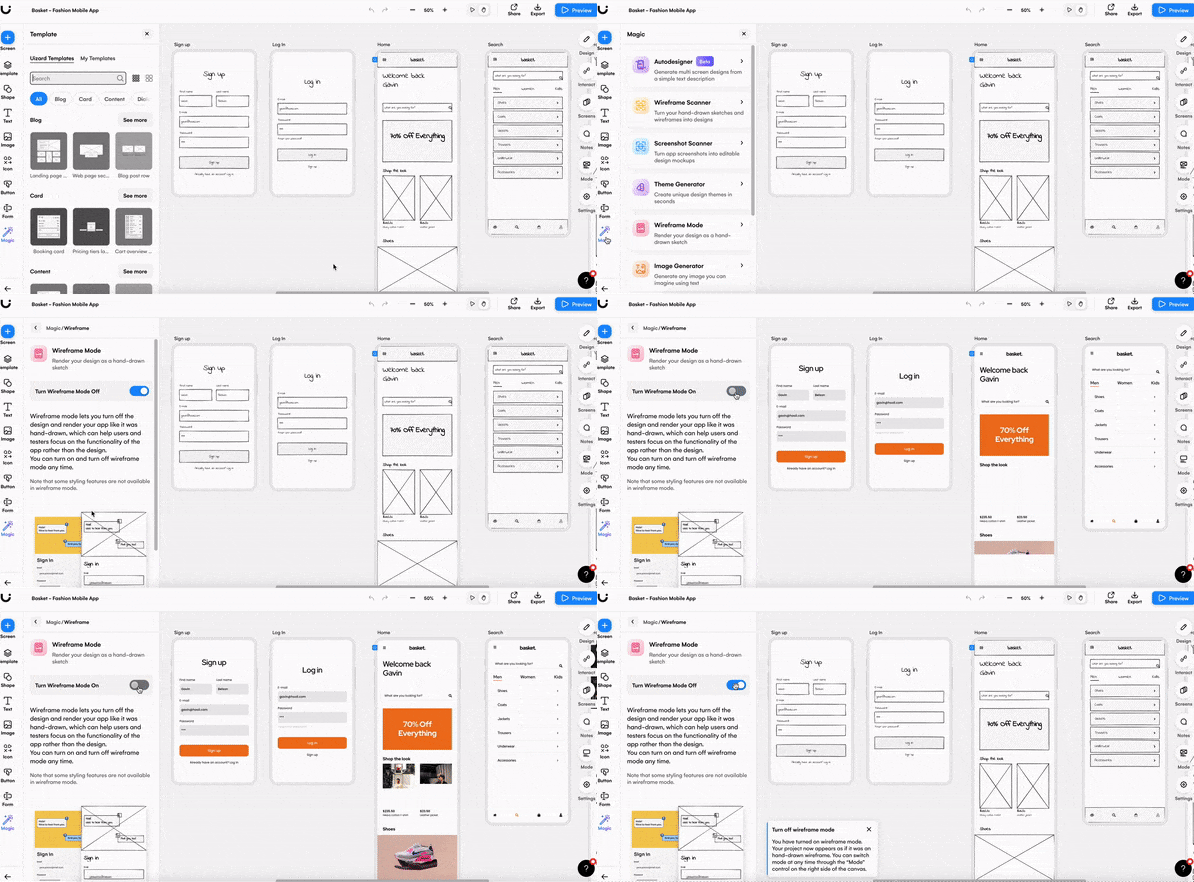
Uizard lets you turn hand-drawn sketches into interactive wireframes in minutes. It helps teams brainstorm faster and move ideas from paper to clickable prototypes without heavy coding.
- Speeds up ideation.
- Great for rapid client presentations.
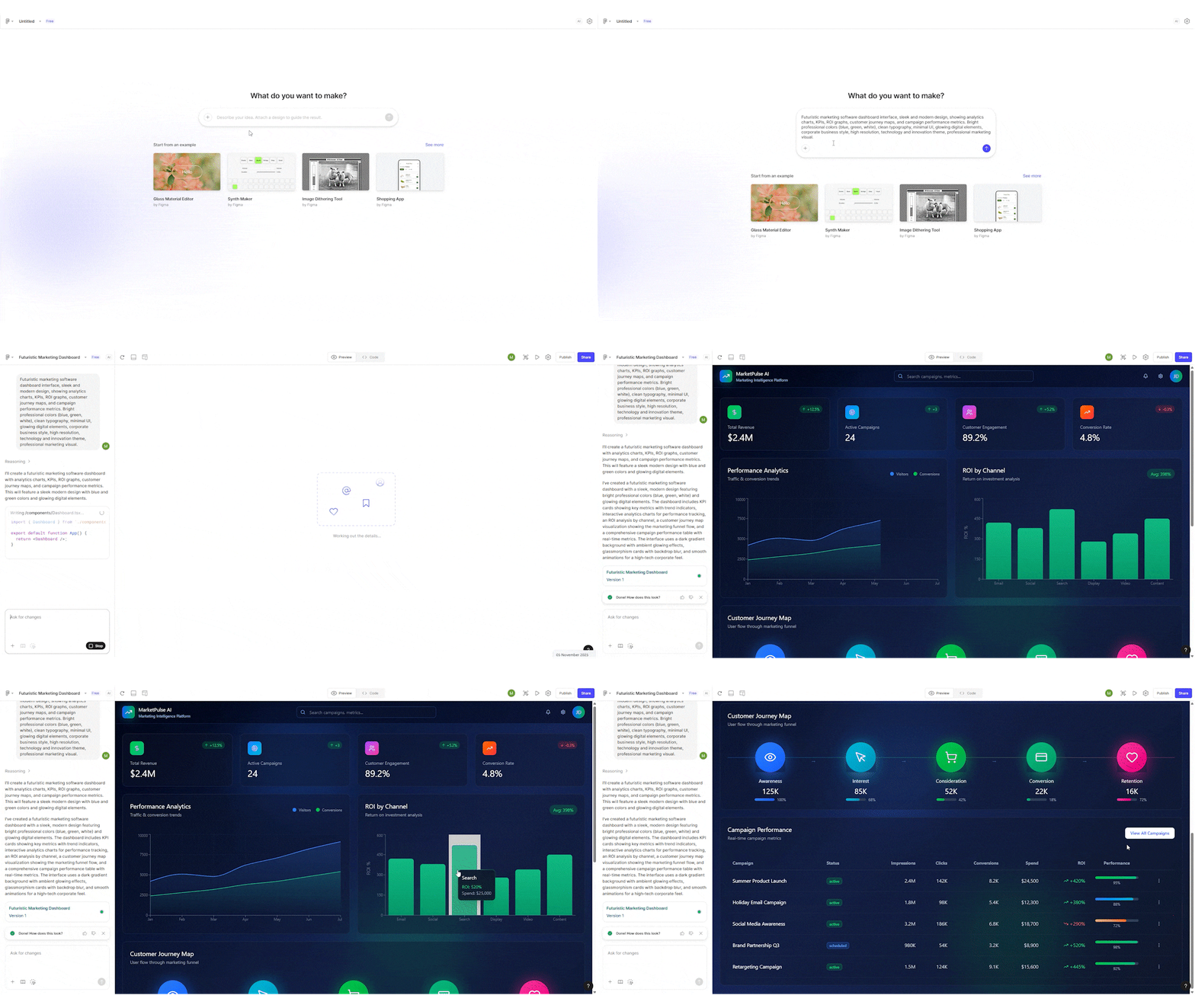
Figma now has built-in AI features for content generation, layout suggestions, and instant style consistency. Designers can create, edit, and refine screens faster while staying aligned across teams.
- Saves hours on repetitive tasks.
- Improves collaboration for remote teams.
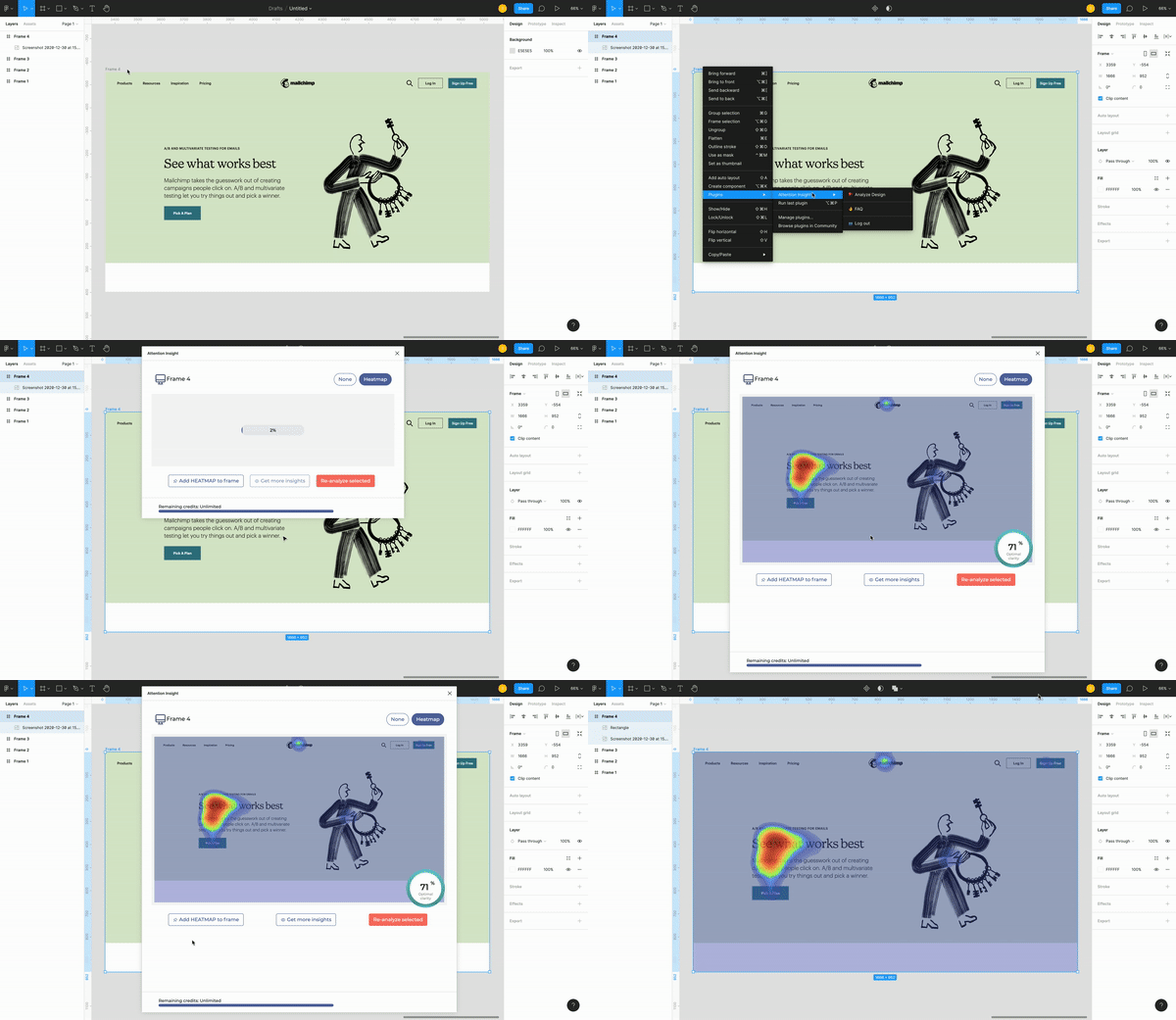
- Helps optimize CTA placement.
- Improves artificial intelligence user interface design with data-driven insights.
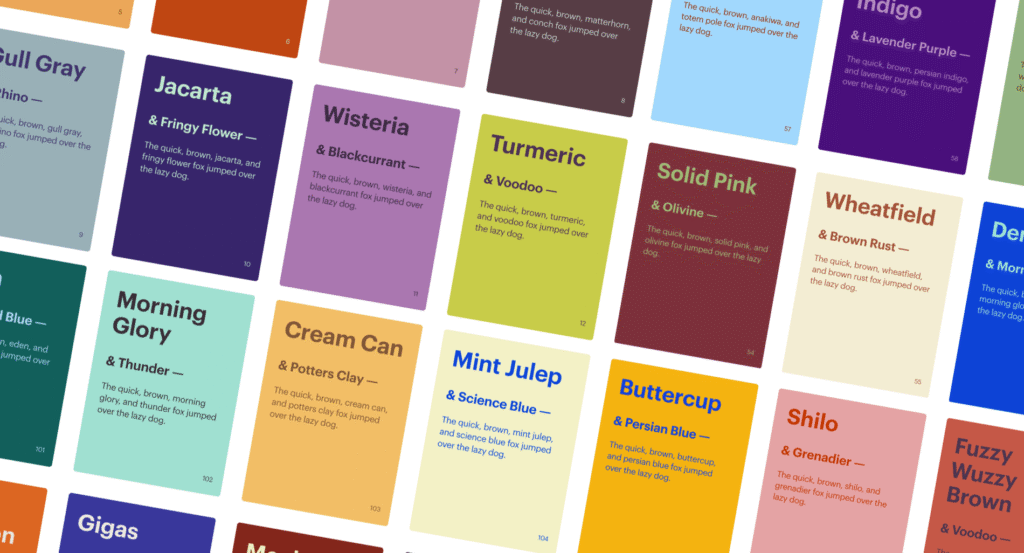
- Supports emotional UI by aligning color with user psychology.
- Speeds up branding projects.
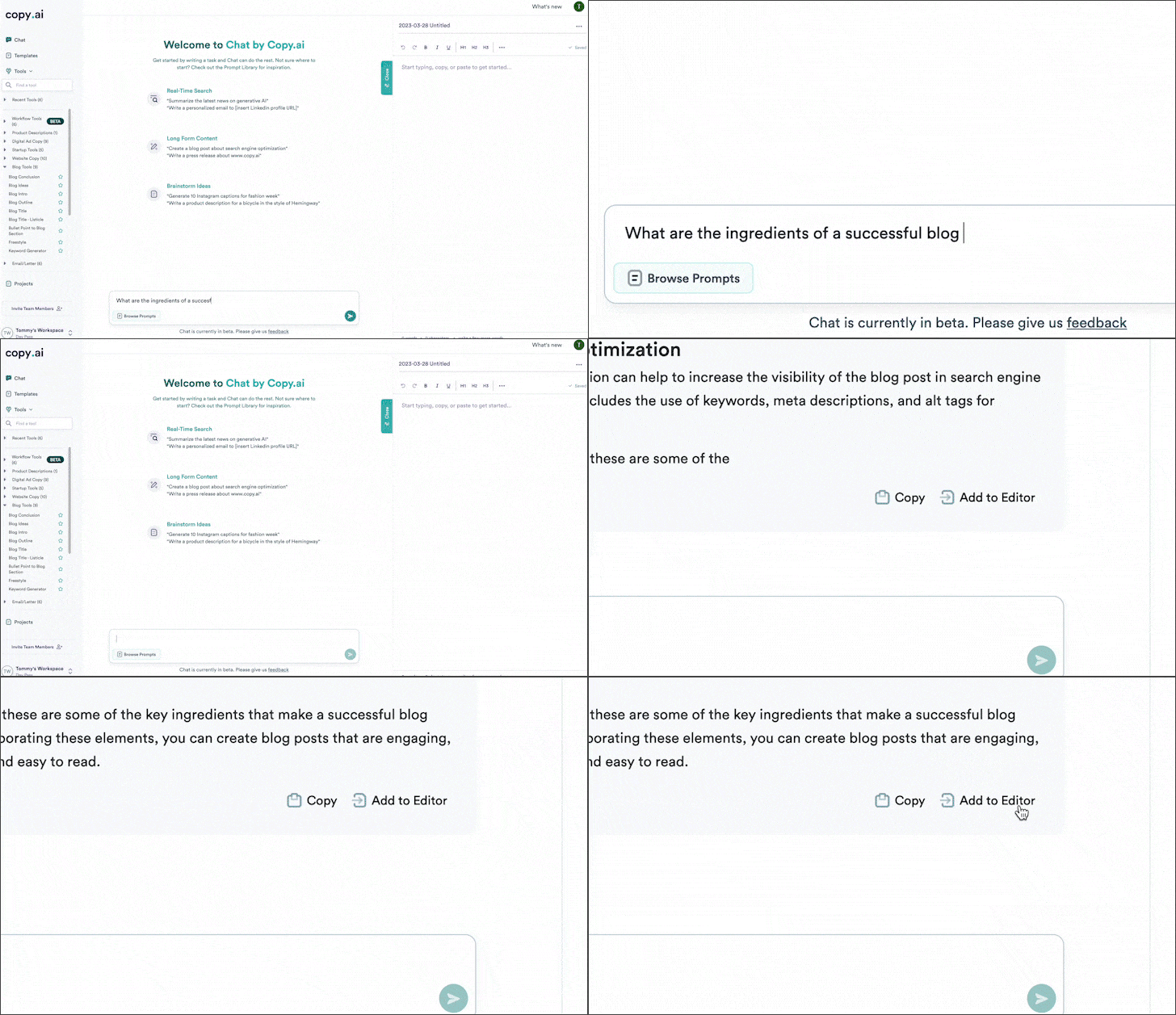
- Reduces time spent on UX writing.
- Supports multilingual projects.
Ready to elevate your product with AI-driven design?
At Graphymania, we blend creativity with the latest AI tools for UI/UX design to craft digital experiences your users will love.
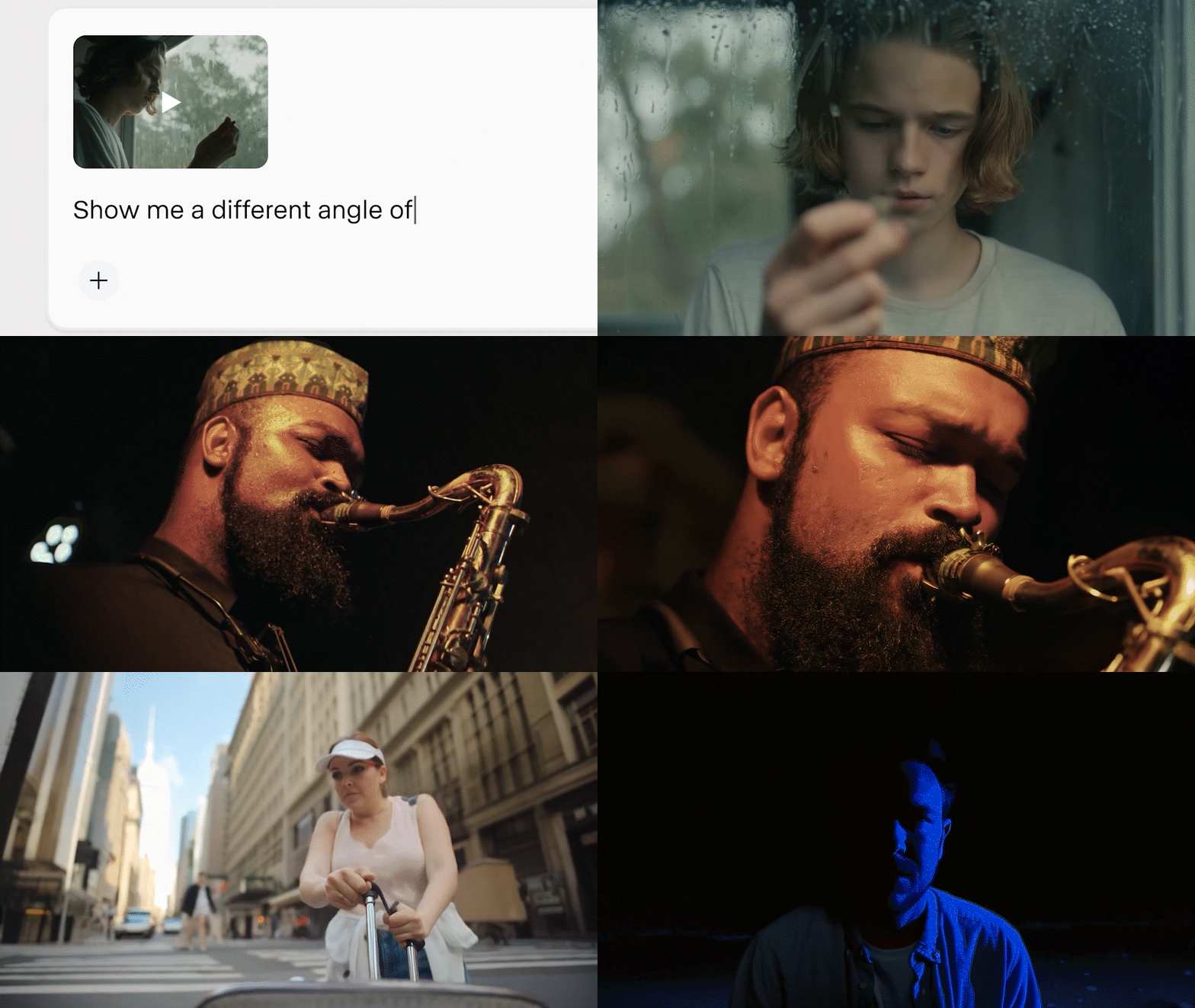
- Adds storytelling to prototypes.
- Engages clients with dynamic previews.
- Cuts down design exploration time.
- Perfect for early-stage startups.

- Helps stakeholders “see” design direction earlier.
- Supports faster decision-making.
- Shortens development cycles.
- Great for testing MVPs or campaign pages.
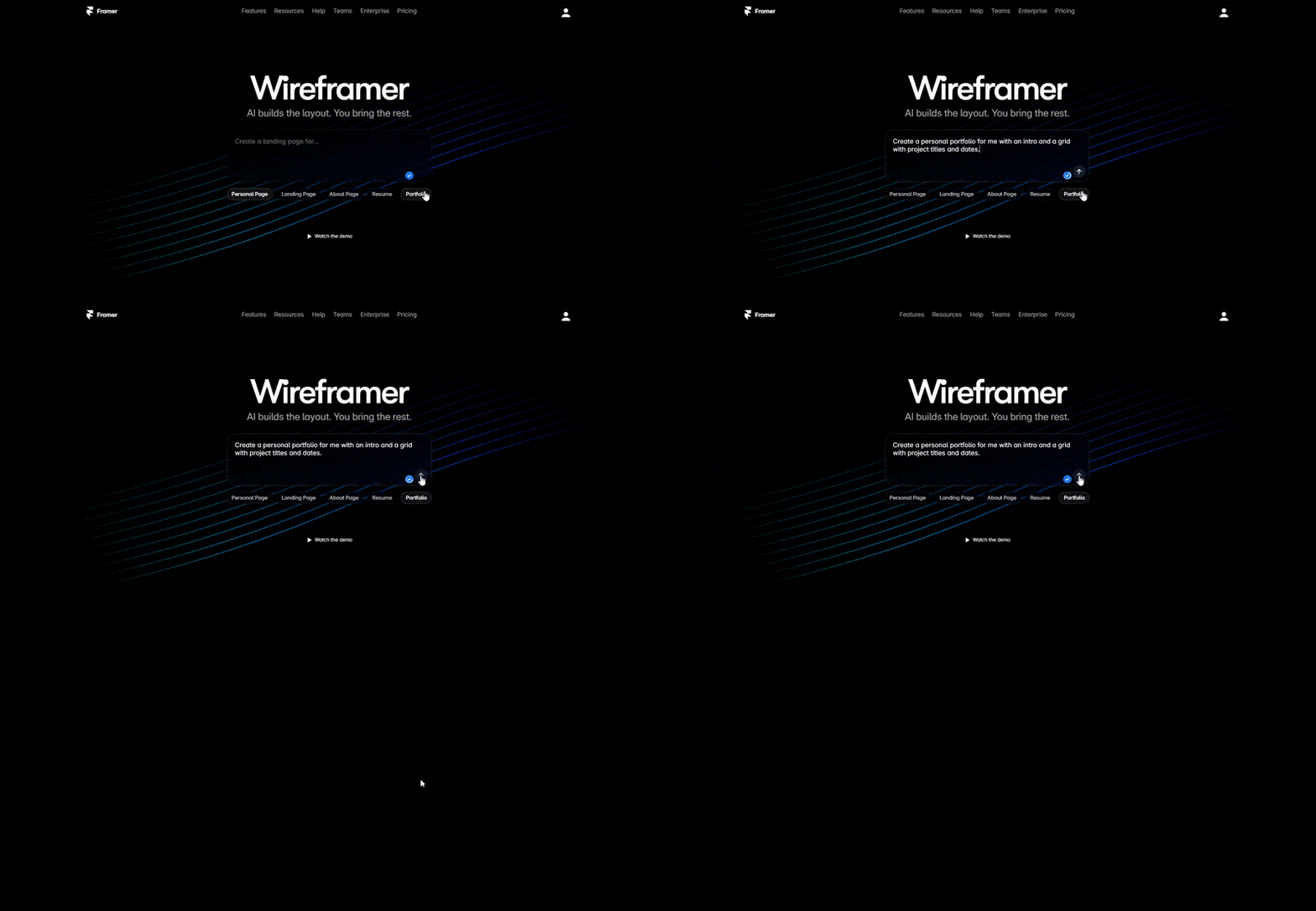
- Saves hours of manual testing.
- Brings artificial intelligence and user experience together seamlessly.
Conclusion
The future of design is here, and it’s powered by AI. From AI tools for UI/UX design like Figma AI to Galileo AI, these platforms are transforming how we brainstorm, test, and deliver products. For agencies and businesses alike, using AI in UX and artificial intelligence user interface design is no longer optional—it’s the competitive edge that ensures designs are faster, smarter, and more human.
AI won’t replace designers — but designers who use AI will replace those who don’t.

MOHD ARMAN
FAQs
How is AI used in UI/UX design?
AI is used to speed up prototyping, generate UI screens, improve accessibility, and analyze user behavior. It makes ui ux ai workflows faster and more user-focused.
Which AI tool is best for UX design in 2026?
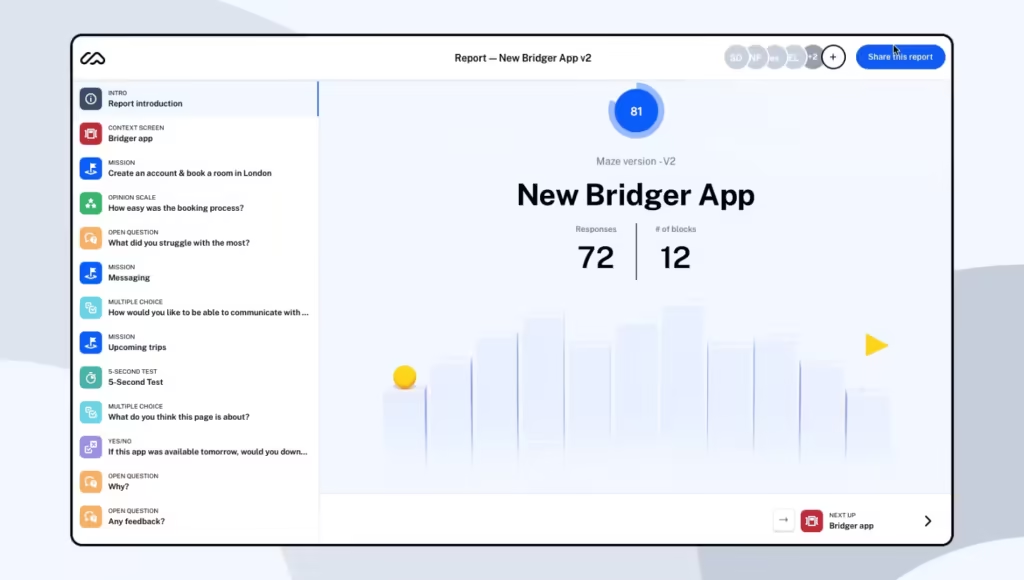
Tools like Figma AI, Galileo AI, and Maze AI are leading the way in ai ux design because they combine speed with usability insights.
Can AI replace UX designers?
No. While ai for ui ux design can automate tasks, human designers bring creativity, empathy, and strategy—skills AI cannot fully replicate.
How does AI improve user experience?
Through ai user experience testing, predictive eye-tracking, and AI-powered UX writing, designers can deliver more personalized, accessible UX.
What is the role of AI in prototyping?
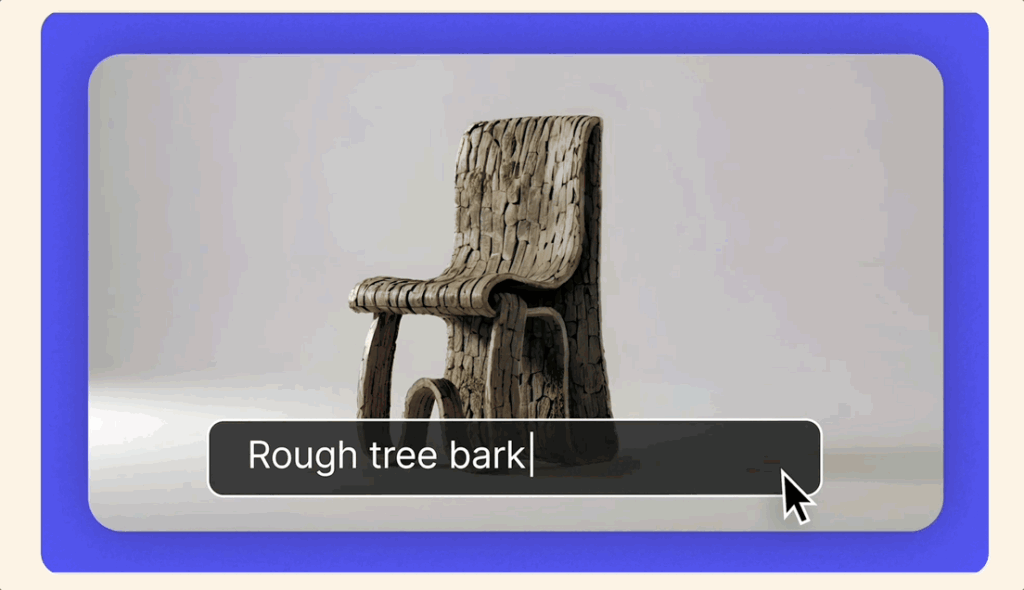
With tools like Uizard and Runway, ai in ui ux design helps create wireframes, mockups, and interactive demos much faster than manual methods.
Stay ahead with AI-powered design.
Whether you need intuitive apps, seamless websites, or data-backed prototypes, Graphymania is your trusted partner in ai ux design.